Eddie Cheng founded Penang Media and co-owns VIBAe. He writes from the agency and brand sides of ecommerce growth, connecting paid acquisition with stock, margins, cash flow and contribution profit.
For channel decisions, report Shopify, Amazon and wholesale contribution margin after costs that vary with each channel, then segment margin after traceable costs. Leave common fixed overhead unallocated. Treat a shared Meta split as an assumption, and keep it only if the channel ranking survives a second rule.
An order scope is not a customer-free switch. Decide the protected-data level, keep the app on read access to the last 60 days unless you also request the longer history scope, and get retention, subprocessor, training and deletion terms before you connect it.
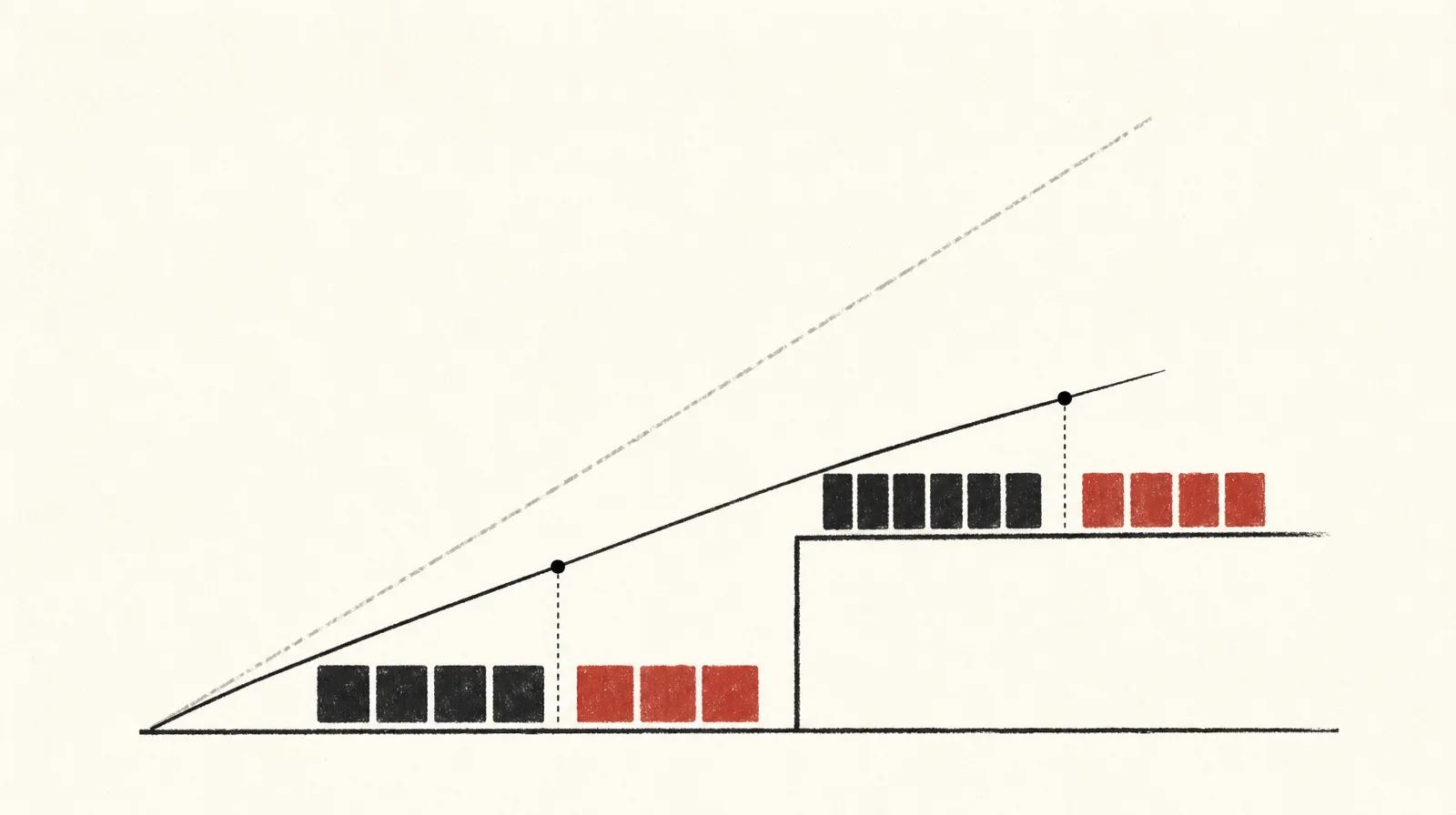
Marginal MER is the change in revenue divided by the change in spend. Exclude VAT from UK revenue. The ratio describes spend you have already run, and it does not show that the extra spend caused the extra revenue. Compare two spend plateaus, then judge that step against your break-even MER. Meridian's counterfactual mROI is a separate estimate.
Recent order weeks look stronger until refunds land. Reserve expected refunds against that week, then replace the reserve with refunds matched to the same orders. Treat the sheet as a management estimate, not as an IFRS or US GAAP filing.
CIPS describes supplier preferencing, from Steele and Court, as the supplier's view of the account. Value is your share of their sales. Attractiveness covers standing, growth, payment behaviour and how much attention the account needs. A D2C buyer can score both, then choose a supplier or change how the account is run.
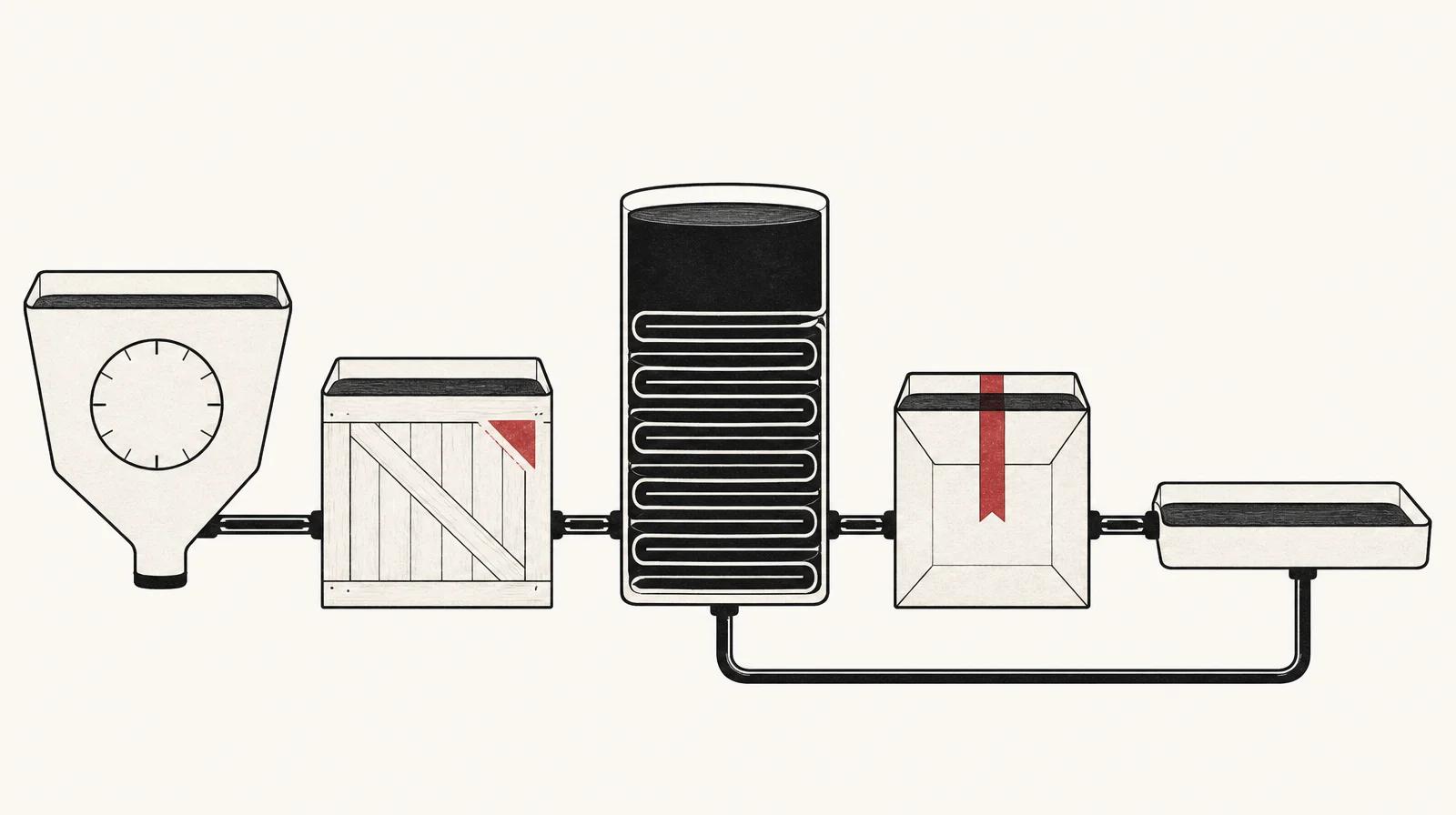
On a horizon you name, rank supplier lead time, landed cost, cover, fulfilment and returns by the cash or contribution you can still change. Then work the stage with the largest amount you can still move, not the stage that looks wrong first.
Group a supplier list by what the payments buy, then put a written strategy on the large categories and on any smaller one whose failure would stop orders. The formal method assumes a procurement team. A founder can still use the grouping.
Postpay charges after the ads have run. Google bills at the payment threshold and on the 1st of the month, including when costs stay under the threshold. Where the payment methods page shows it, a primary credit card is charged at a predetermined amount or 30 days after the last automatic charge, whichever comes first. A higher allowed threshold makes charges larger and less frequent. Costs already accrued are still collected.
On Shopify, audit adjustment history before you buy against a low inventory quantity. That view covers 180 days for one tracked variant at a time. On the Shopify POS app, a refund does not add units back unless restock is switched on.