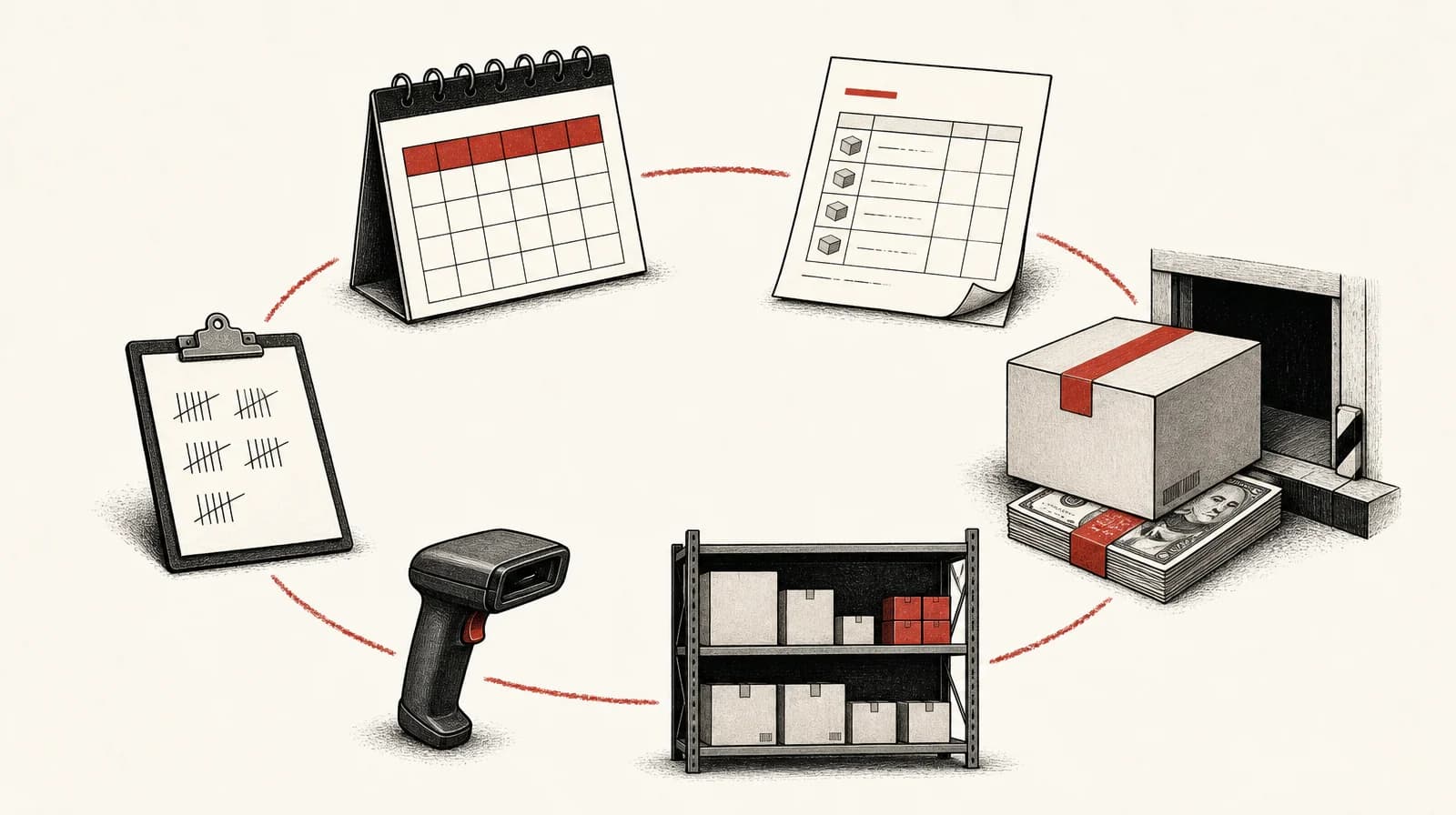
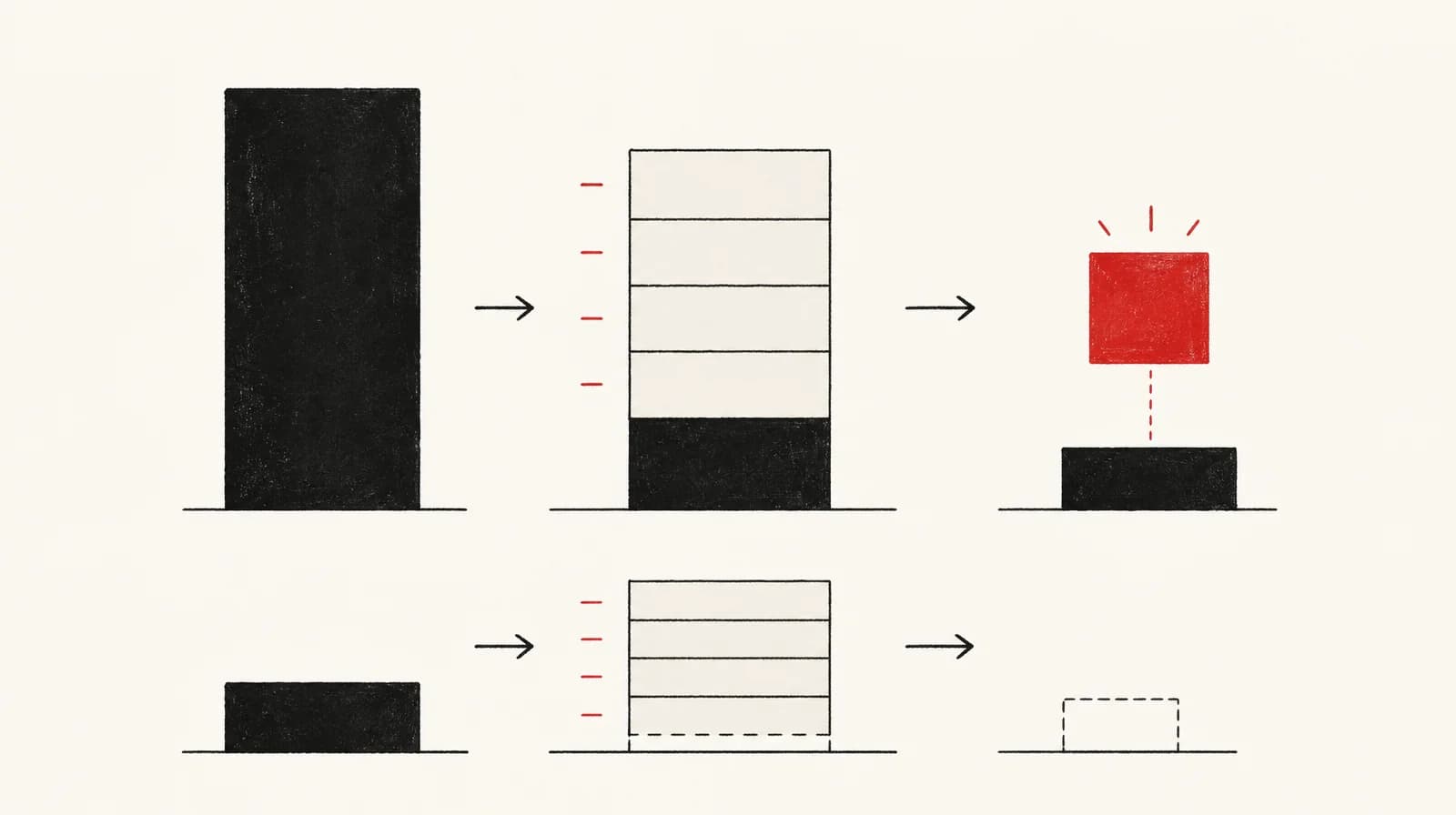
A D2C brand that buys finished goods can run forecast, purchase, receive, store and fulfil, track, then count. The owner split and the weekly and monthly cadence are a small-team recommendation. Invented figures show how Shopify's On hand total changes a reorder.
A shop and a marketplace can both promise the last unit. Set a shippable count, hold units back for the gap between updates, and cap or ring-fence a thin seller-fulfilled channel. These are operating rules for any tool you use to sync. They do not describe Shopify's inventory updates. The Amazon.com and eBay.com consequences below come from US pages.
A positive gross-margin percentage does not say whether a product can take paid acquisition. A margin of zero or below leaves no cash for ads, so there is no break-even ROAS to aim at. Where cash remains after the order's variable costs, that cash limits ad spend per order.
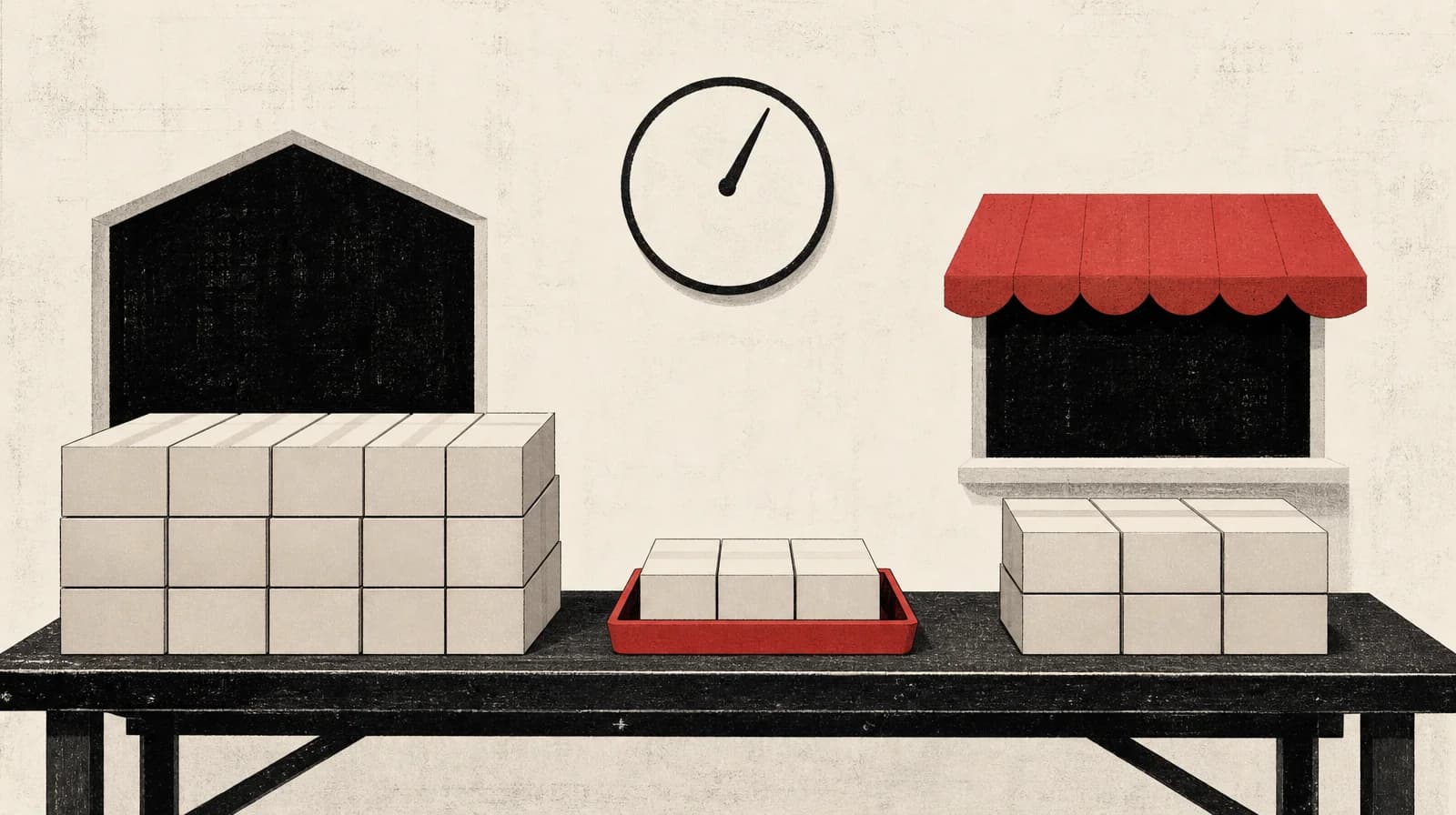
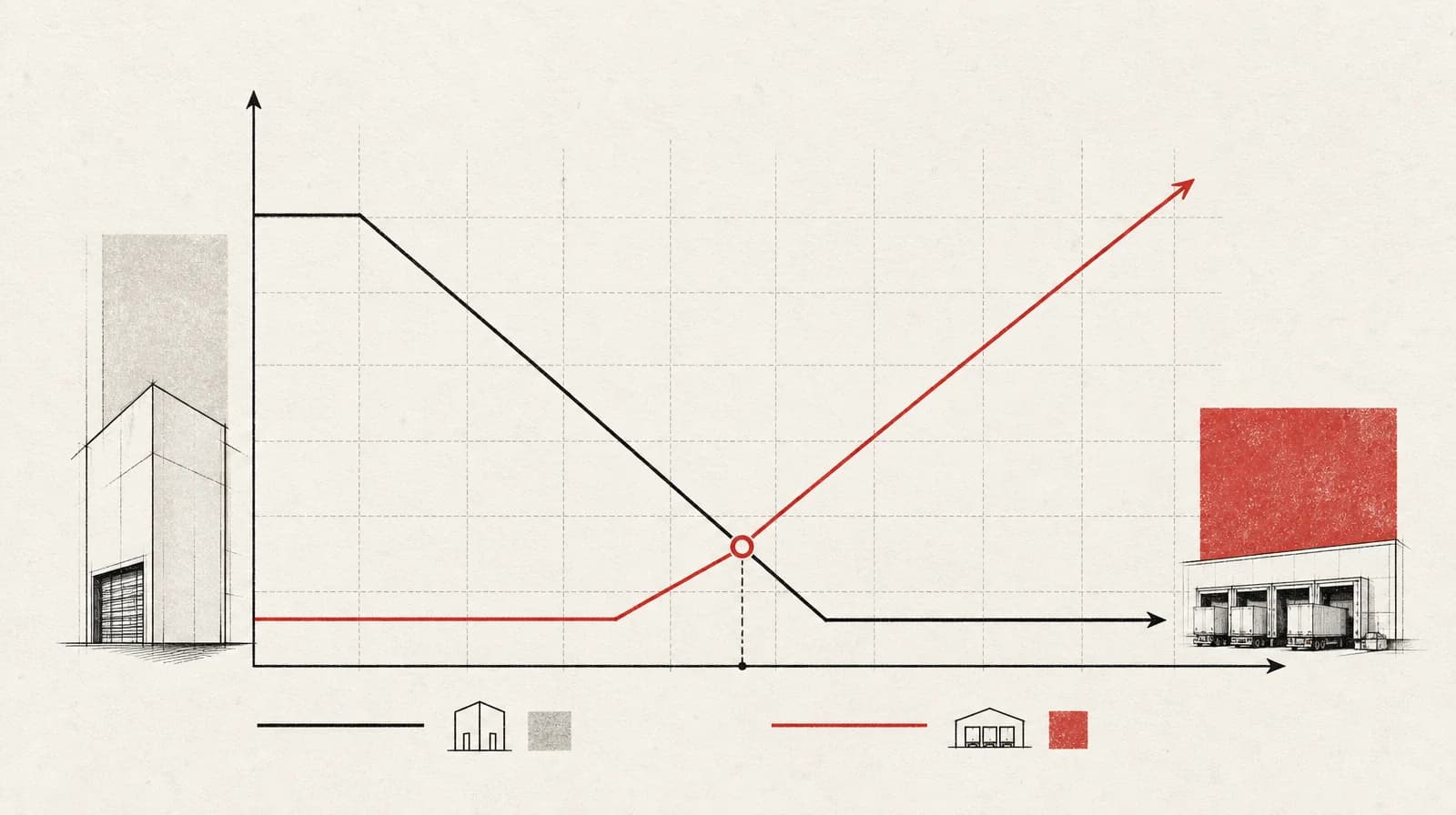
For a growing D2C brand, distribution management is a spreadsheet problem: fixed cost against marginal cost, and how long your cash sits in stock while you decide which model to run.