Key takeaways
Copy a field only when it is on the card, and leave a blank rather than writing zero.
Name the metric your ad account already reports, and set the review date before the test starts.
What you can search
Open the Meta Ad Library at facebook.com/ads/library. Select the country you want to study, then search the competitor's Page name or a keyword. Note the search terms, the country, and the Page name on the card. If you apply a filter, write that down too. Use the category for all ads when you are researching ordinary commercial creative. The issues, elections or politics category is a separate record.
The introduction to the Advertising Standards describes the library as a view of all ads currently running, plus extra information on ads about social issues, elections or politics, including range of spend, who saw the ad, and the entities responsible.
The Meta Ad Library tools page states a further archive: "Meta offers more information for ads that deliver an impression in the EU or associated territories. These ads are displayed in the Ad Library while active and archived for one year upon the delivery of their last impression." That sentence does not define associated territories. Select the country you care about, including the UK, and see whether inactive ads are returned. Do not infer that from the EU sentence alone. A brand that has delivered impressions in the EU can still fall under that rule for those deliveries.
What a long run does not prove
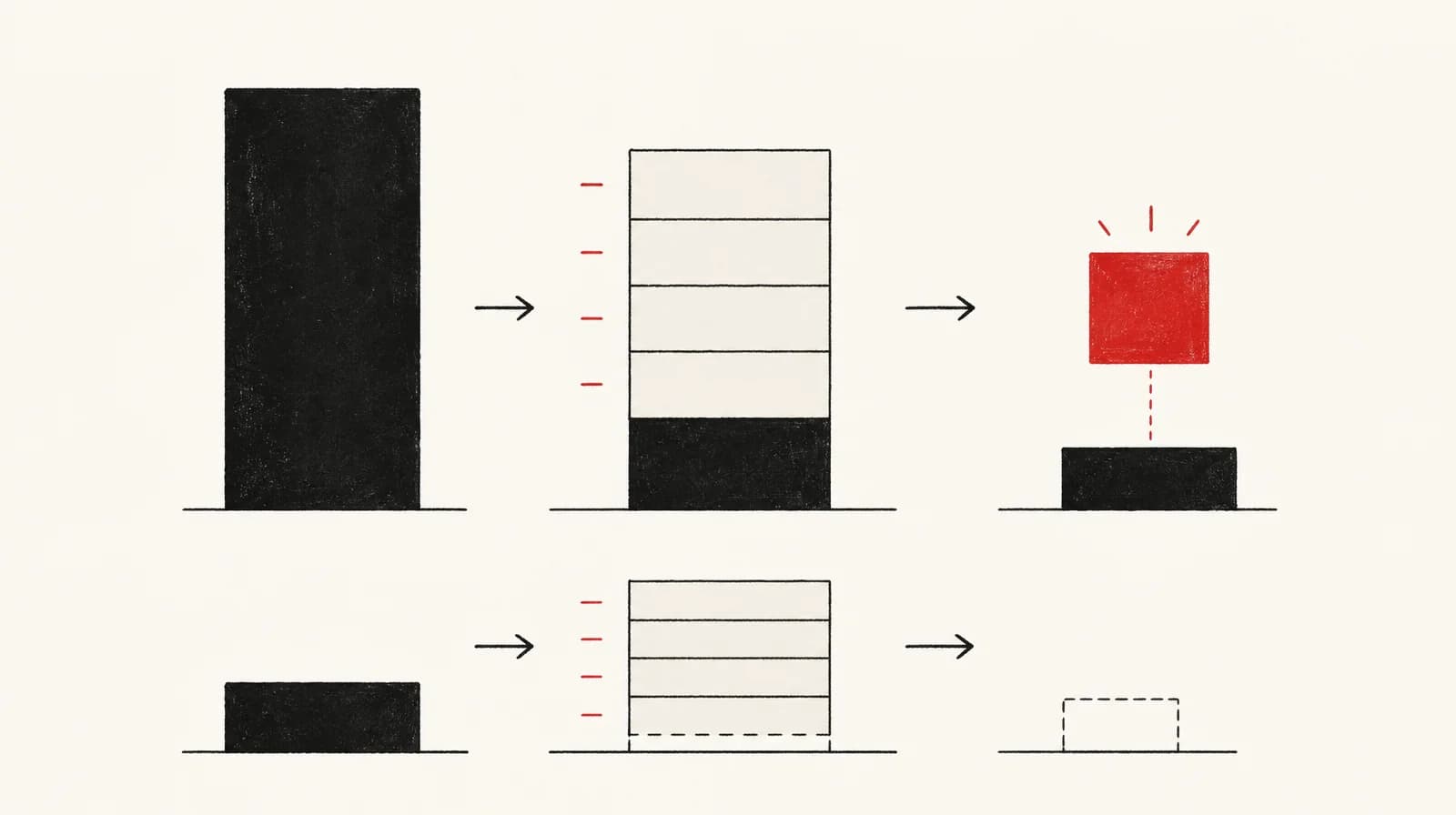
A long run is not a profit or efficiency result. An advertiser can leave an ad on for reasons other than profit: it may be an evergreen catalogue asset, the budget may be too small to force a review, the ad account may not have been opened in weeks, or a brand campaign may be judged on something other than last click. Those are possible explanations for one competitor, and the library cannot rule them out, so a long run can only prompt a hypothesis.
Leave the blanks empty
Range of spend, who saw the ad, and the entities responsible are the extra political and issue disclosures named in the Advertising Standards introduction. Seeing them on an election ad does not mean a product ad in the same search has them. Copy a field only when it is on the card in front of you.
The fields named above are not a detailed targeting breakdown for an ordinary product ad. If a third-party tool fills a targeting column, mark it as an estimate.
Treat an empty result the same way. Record it as no ads returned for that search, and keep the date and the search terms with it. That still leaves open a wrong Page or an ad this search no longer returns. A missing card is not proof the ad never ran.
Check the Page before you log it
In March 2019, Meta's newsroom post "A Better Way to Learn About Ads on Facebook" described Page-transparency information shown with ads: the date the Page was created, previous Page merges, name changes, and primary country location for certain Pages. Use that list to ask whether you have the right advertiser, then match it to the screen in front of you. The post is from March 2019, so the labels on the current screen may differ.
Write the log on the day you look
Meta does not publish this log. Write it on the day you look, with the country and search terms, because a later search may not return the same card. Record whether the card was active.
For each ad you might test from, record:
- Date checked
- Search terms, the country selected, and any filter you applied
- Page name, and any identity check from Page transparency
- Creative, copy, call to action and landing page, as shown
- Format and platforms, if shown
- Start date and version count, if the card shows them
- Your reading of the angle and the offer, marked as your reading
Leave a missing field blank, since a blank is not a zero. If the card shows several versions, log the count. Do not read that count as an A/B test or an Advantage+ variation unless the card says so.
Cluster the ads, then date the test
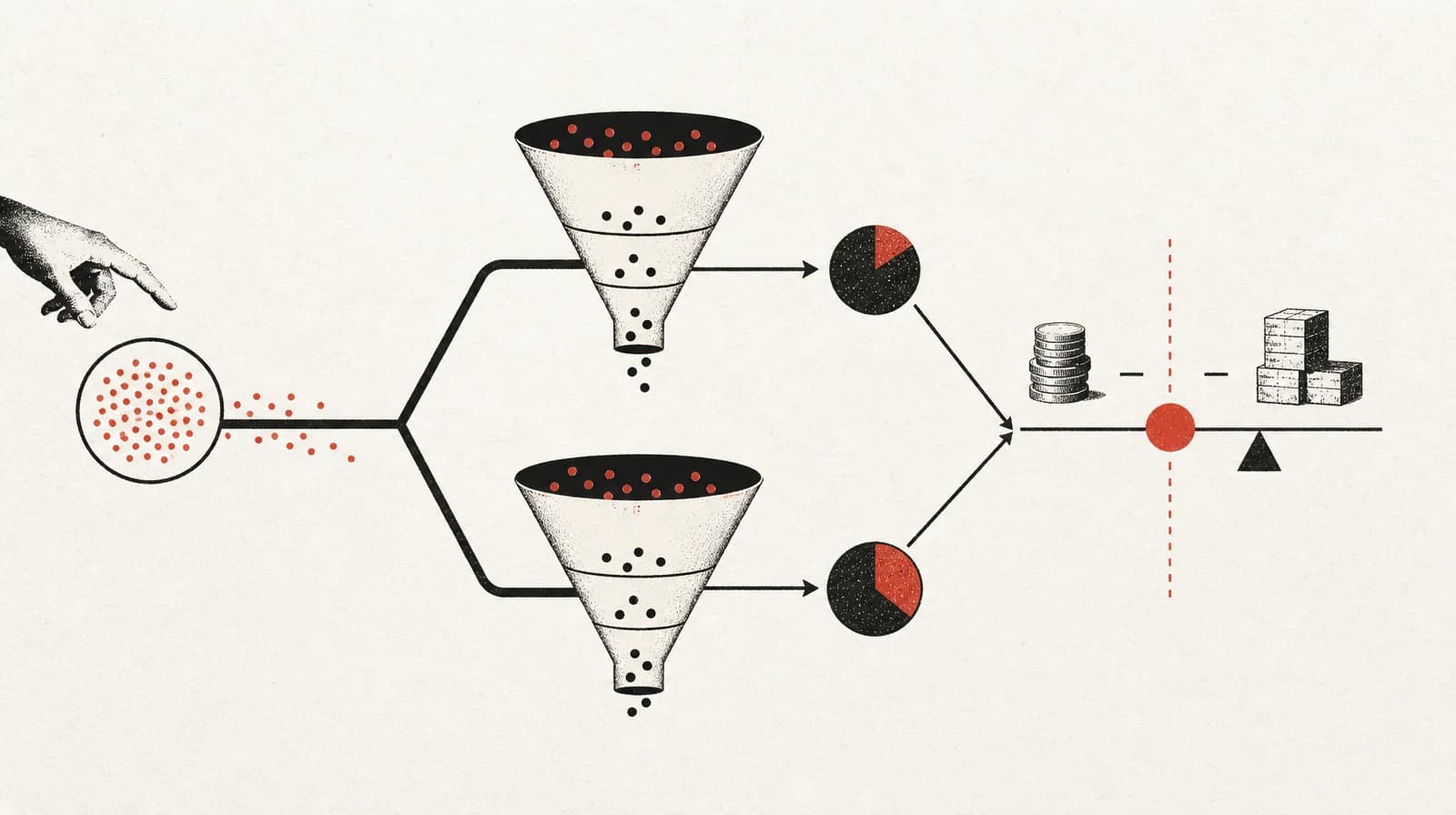
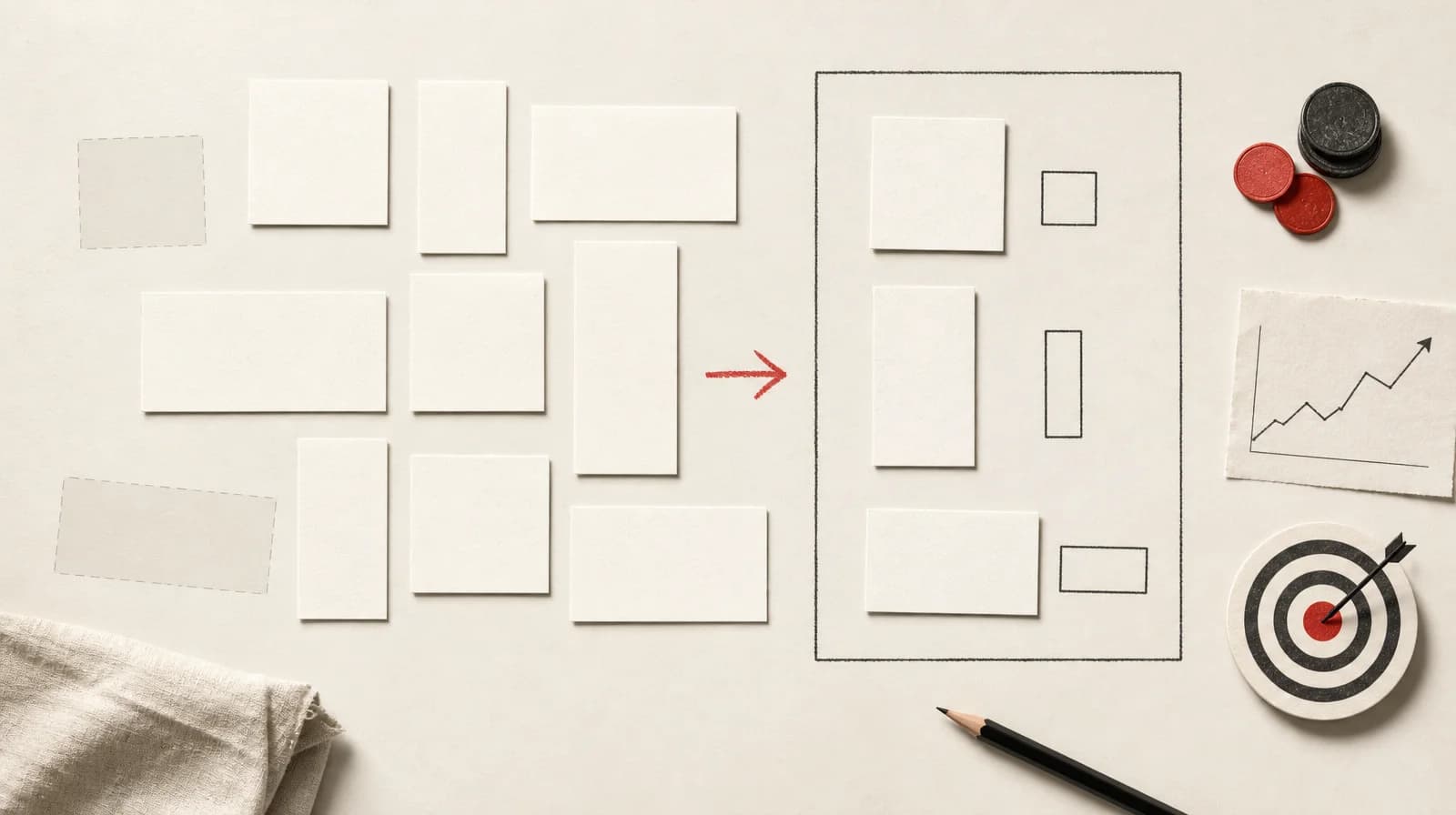
When several competitors are in the log, group the rows by angle, offer and format. That grouping is your assumption. A pattern across advertisers is a stronger reason to spend test budget than one long-running ad, but only when the other explanations above do not cover the set just as well. A shared format can still be a category habit, or ads nobody has switched off.
Write the hypothesis so someone else can review it without reopening the library:
Because [what the card showed, date checked, search used], test [angle or format] against [current control] for [audience]. Judge it on [metric from your ad account]. Start on [date]. Review on [date].
The metric has to be one your ad account already reports. If the card shows spend or who saw the ad, copy it and note the country. If the card was inactive, name the country and category in the because line, so a search in another country is not treated as the same evidence.
Sources
- What is the Meta Ad Library and how do I search it? facebook.com For all ads, you can search for ads that are currently active on the Meta Products.
- Meta Ad Library tools transparency.meta.com Meta offers more information for ads that deliver an impression in the EU or associated territories.
- Introduction to the Advertising Standards transparency.meta.com The Ad Library offers a view of all ads currently running, plus additional information on ads about social issues, elections or politics, including range of spend, who saw the ad, and the entities responsible.
- A Better Way to Learn About Ads on Facebook about.fb.com March 2019. Page-transparency information described then includes the date the Page was created, previous Page merges, name changes, and primary country location for certain Pages.
- How marketers monitor competitor advertising campaigns automatically techradar.com Meta and Google's ad libraries do not provide detailed targeting information.