Key takeaways
Choose by Shopify order ID, winning evidence and payout line.
A forgotten code leaves that sale uncredited by the code method.
The attribution window is one the merchant sets.
Checkout Links says it is typically 7 to 30 days.
A missing UTM does not by itself show that the link failed.
Where the ad set includes engage-through or view-through, those credits need no link click.
For a Shopify store, pick the platform that can show the order ID, the evidence it counted as the winner, and the payout for that same order. A code, a link and a partnership ad record different events, so a creator-sales total is not yet a figure you should pay against. Claims about attributed sales and commission stay unproven until an order ID confirms them.
What a code, a link and a partnership ad can credit
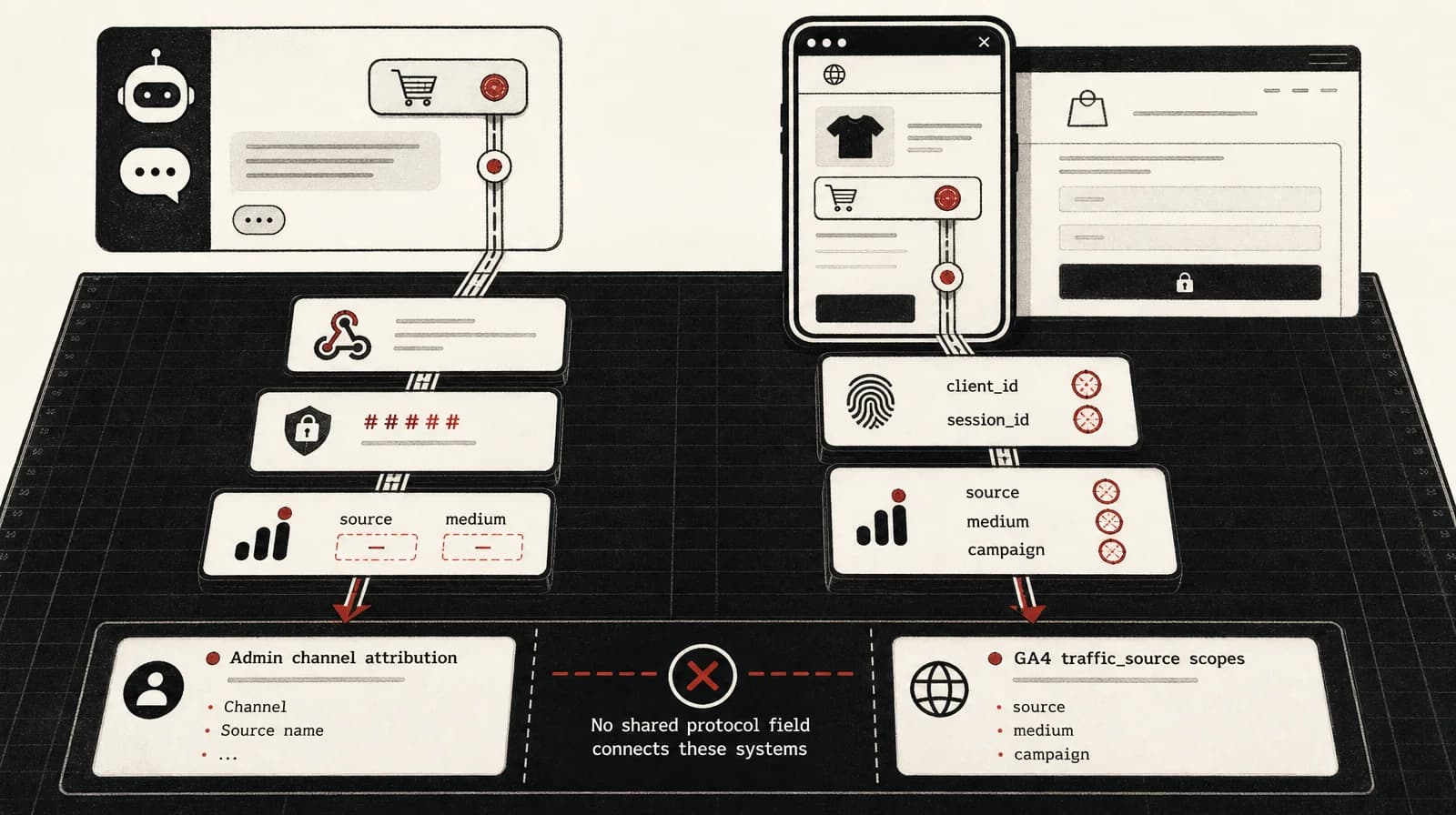
Shopify's marketing blog on affiliate tracking lists cookie-based tracking, pixel-based tracking, server-to-server tracking and promo codes. A code, a link that still carries referral data, and a Meta partnership ad credit different events.
Override, an affiliate software vendor, says reliable setups test code-only journeys as well as link-only ones. A code can be the only evidence on a code-only journey, and it still fails if the buyer does not enter it. Shopify's blog, writing about a code the buyer has heard, says: "if the listener forgets to enter the code when they go to purchase, that sale will go unattributed."
Cookie-based tracking depends on the cookie still applying. Checkout Links, a Shopify app vendor, says the merchant sets the attribution window, typically 7 to 30 days, and any purchase inside that window is credited to the influencer. Read that window in the tracking tool rather than planning on the range.
A partnership ad can credit a sale that never arrives as a link or a code. AdSTARS, an agency, calls partnership ads the formal version of what the industry calls whitelisting. Report them apart from ads on the brand handle, and judge them on an outcome you own, such as orders, rather than on the ad platform's conversion total alone.
Meta's announcement said click-through attribution for website and in-store conversions would include only link clicks.
Jon Loomer reports the default under the Standard attribution model as 7-day click-through, 1-day engage-through and 1-day view-through. He writes that "neither engage-through nor view-through conversions require a click on a link." An older page by the same author describes 7-day click, 1-day view, and 1-day engaged view for videos only. The two descriptions differ, so copy the attribution setting on the ad set rather than either write-up.
If that setting includes engage-through or view-through, Ads Manager can count a sale with no link click. That credit does not have to leave a creator identifier on the Shopify order. That is an inference from how those credits are defined.
Separate the three bills
Content-approval fees, order commission and partnership-ad spend need three reconciliations.
Collabstr's homepage says funds stay in escrow until you approve the content, and that payouts are then handled. That is a fee for approved work. The same page says you can see reach, engagement and ROI across every creator, updated in real time. The ROI line does not name the order data behind it, so it is not a Shopify sales match. Collabstr also tells enterprise teams that every order is auditable. That line does not define the order as a Shopify customer order.
Shopify's marketing blog says Collabs generates unique affiliate links and discount codes, shows attributed sales in real time, processes commission through Shopify Billing, and connects with Google Analytics. Check each claim against order IDs in the store.
GemPages reports that after the holding period the merchant sets, commission is billed through Shopify, and creators who activate auto-payouts can receive payment. Compare a refunded order with the payout line before you treat the commission as final.
Partnership-ad spend is a third bill in Ads Manager. Read the conversions against the attribution setting on the ad set. A conversion there can cover a sale the commission tool also credits, and it need not use that tool's cookie. Leave the two figures unreconciled unless the same Shopify order ID is visible in both reports.
Questions for the vendor
Keep the answers with the order record, including an order that has a creator code and another creator's link, or a paid click:
- What do you use as the conversion identity? Override says reliable setups combine browser-side evidence with Shopify order data.
- When evidence conflicts, which method wins, and do you record the evidence considered? Override says to define those conflicts explicitly.
- What is the commission base, and does it include shipping and tax?
- What happens after cancellation, return, refund and fraud review?
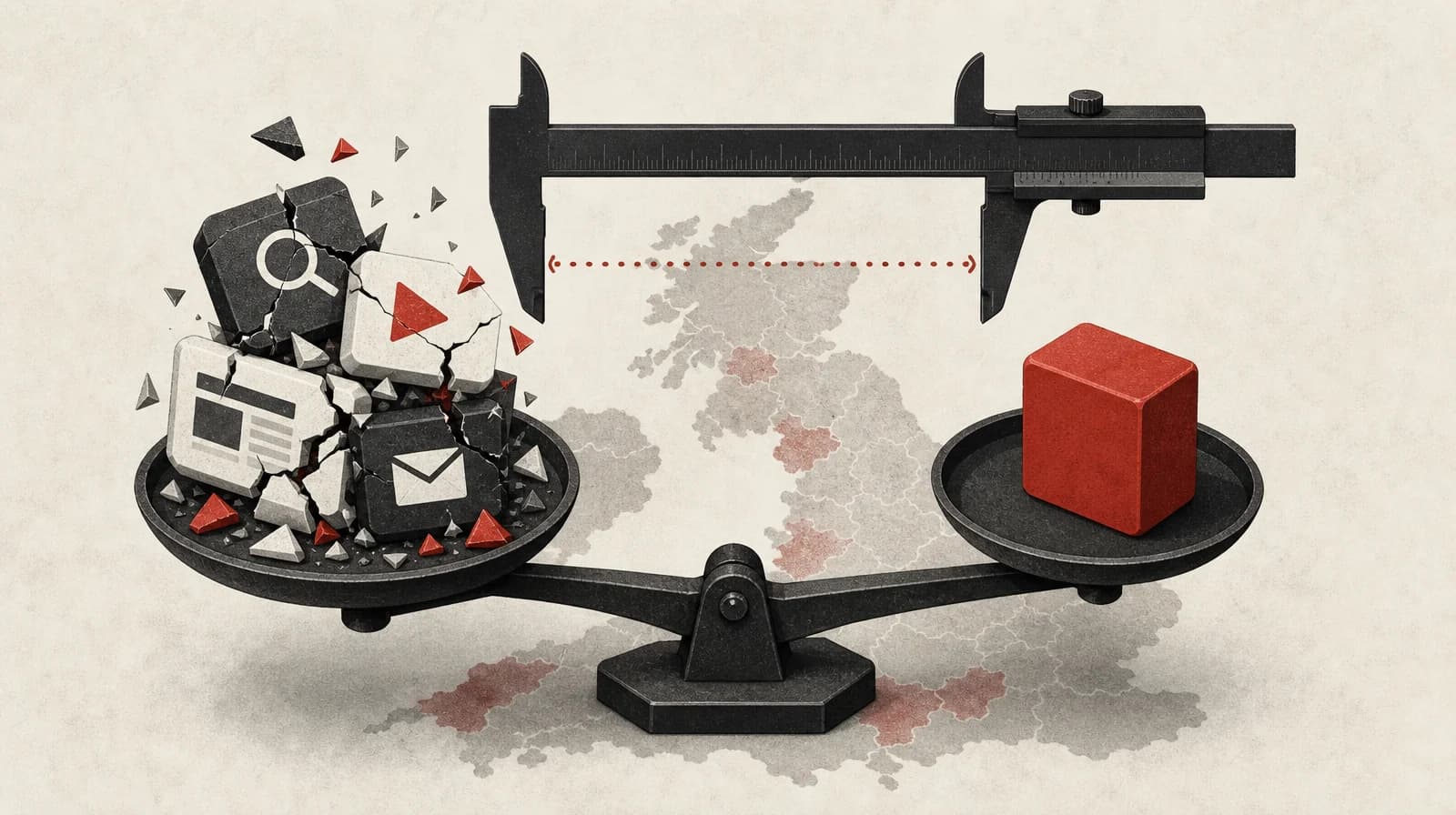
This is an illustration, not a result from any source. A week of exports shows 80 code credits, 5 link credits and 16 partnership-ad conversions. Added together, that is 101. Those exports might be 101 sales, or fewer sales counted more than once. Where a code or a link credit carries a Shopify order ID, that ID shows the repeat among those credits. It does not show whether one of the 16 partnership-ad conversions is the same sale. A match can still pay the creator on shipping and tax, or pay commission on an order that was refunded, if the contract and the payout tool disagree.
Trace live orders through to the payout
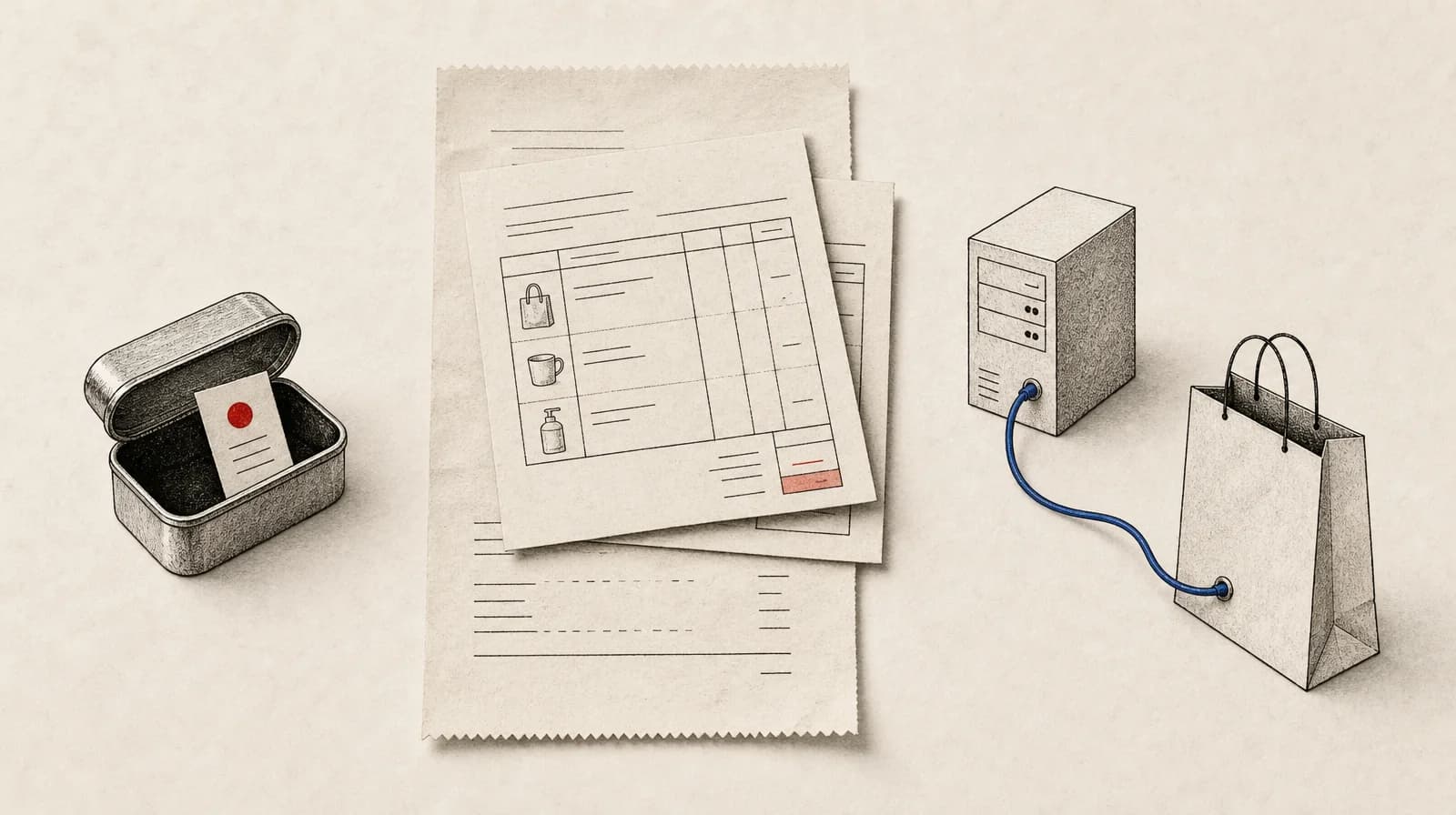
Start with a test purchase, or at least a trip to checkout. Look for referral or UTM data on the Shopify order, the sale in the tracking dashboard, and whether the credit matches the path you tested. That tests a checkout you control. Using the same checks on paid orders, and following them to the payout, is how you choose the platform.
Take a handful of live orders. Include one with a creator code and one that should have arrived through a link. If a partnership ad ran in the same period, keep that ad's reported conversions beside the orders rather than searching Ads Manager for one order.
- Copy the Shopify order ID.
- Record any discount code on the order, and any referral or UTM data on the order.
- Find that ID in the influencer platform. Note the credit, the winning method and the evidence listed. If the platform has no order ID, stop. You cannot reconcile it.
- Find the payout line for that order, and compare the payout base with the contract.
If the order has no UTM, still look up the credit. A missing UTM does not show that the link failed to credit that sale. Record the winning method with that credit before you call it reconciled.
Matched credit is not incrementality
A match shows that the platform's rule fired and that the payout line is there to inspect. The customer may still have bought without the creator. A matched credit does not prove the sale was incremental.
Sources
- Best Affiliate Tracking Tools for Small Business Owners (2026) shopify.com Shopify editorial and marketing article, not Help Centre documentation. Publication date not verified in the dossier.
- Shopify Affiliate Tracking: Links, Codes, and Orders overrideaff.com Affiliate software vendor blog (OverrideAff). Publication date not verified.
- How to Track Influencer Sales on Shopify Without Discount Codes? checkoutlinks.com This is a blog post by a Shopify app vendor (Checkout Links). Its publication date was not verified.
- Shopify Collabs: Work with Creators to Drive Sales gempages.net Third-party Shopify app vendor blog. Publication date not verified.
- Shopify Collabs Setup: Creator Vetting and Payout Guide influencers-time.com Industry blog. Publication date not verified.
- Simplifying Ad Measurement for a Social-First World facebook.com Meta's own announcement says click-through attribution for website and in-store conversions will count only link clicks.
- Meta Ads Attribution Reporting: What Your Results Really Mean jonloomer.com Independent practitioner page. Publication date not verified.
- Meta's Creator Marketing Hub: Setting Up Partnership Ads Before Q4 adstars.agency Agency article. Exact publication date not verified.
- Meta Ads Attribution jonloomer.com Older Jon Loomer page identified in the dossier as giving 7-day click, 1-day view, and 1-day engaged view for videos only.