On Shopify, audit adjustment history before you buy against a low inventory quantity. That view covers 180 days for one tracked variant at a time. On the Shopify POS app, a refund does not add units back unless restock is switched on.
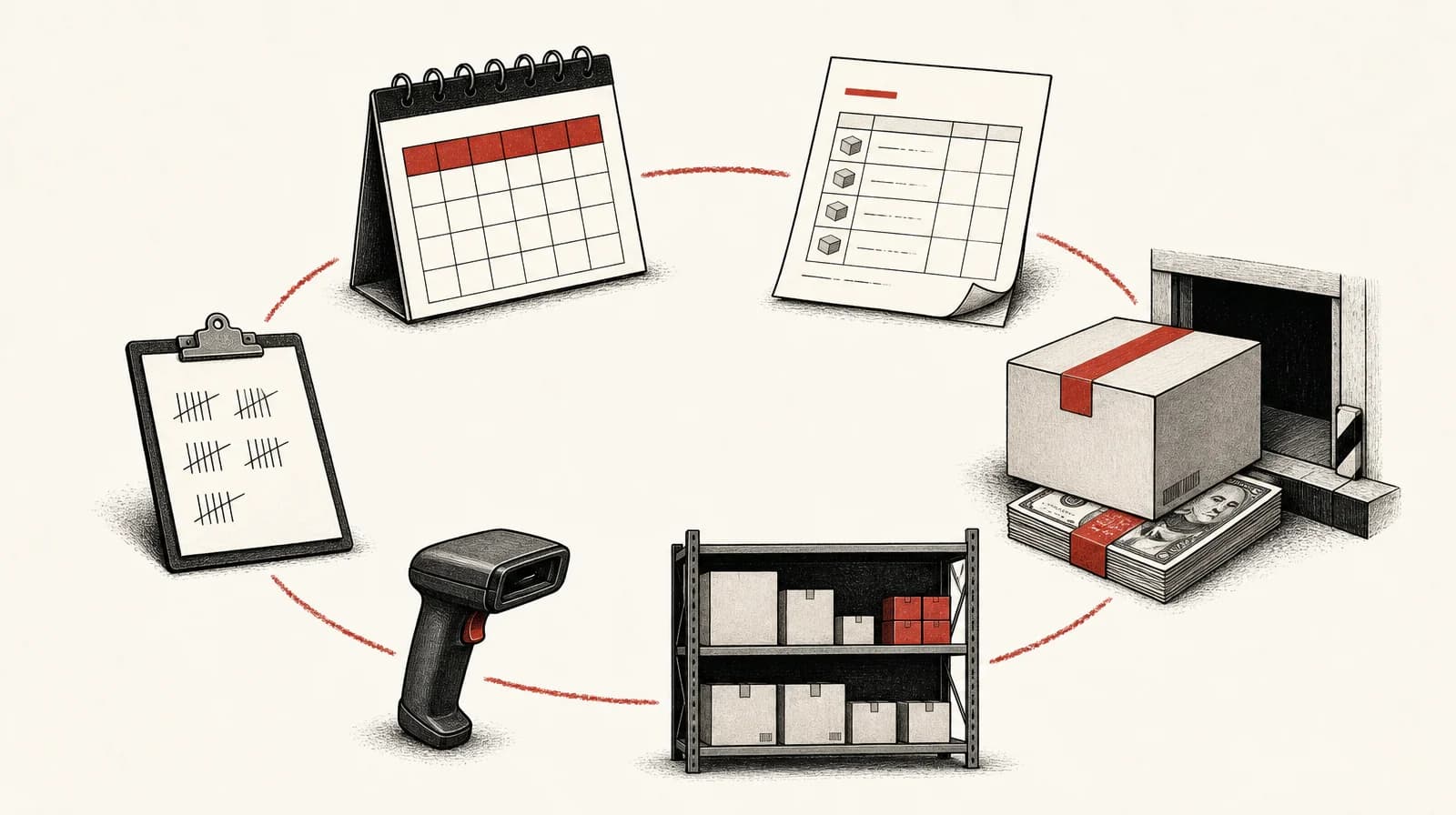
A D2C brand that buys finished goods can run forecast, purchase, receive, store and fulfil, track, then count. The owner split and the weekly and monthly cadence are a small-team recommendation. Invented figures show how Shopify's On hand total changes a reorder.
A shop and a marketplace can both promise the last unit. Set a shippable count, hold units back for the gap between updates, and cap or ring-fence a thin seller-fulfilled channel. These are operating rules for any tool you use to sync. They do not describe Shopify's inventory updates. The Amazon.com and eBay.com consequences below come from US pages.
A demand plan projects future demand within a reasonable margin of error. Write the unconstrained units before you release a purchase order, and score that forecast on accuracy and bias. Leave that forecast unchanged when the order is smaller. Fill rate and excess stock reflect the forecast, the order and the supplier together.
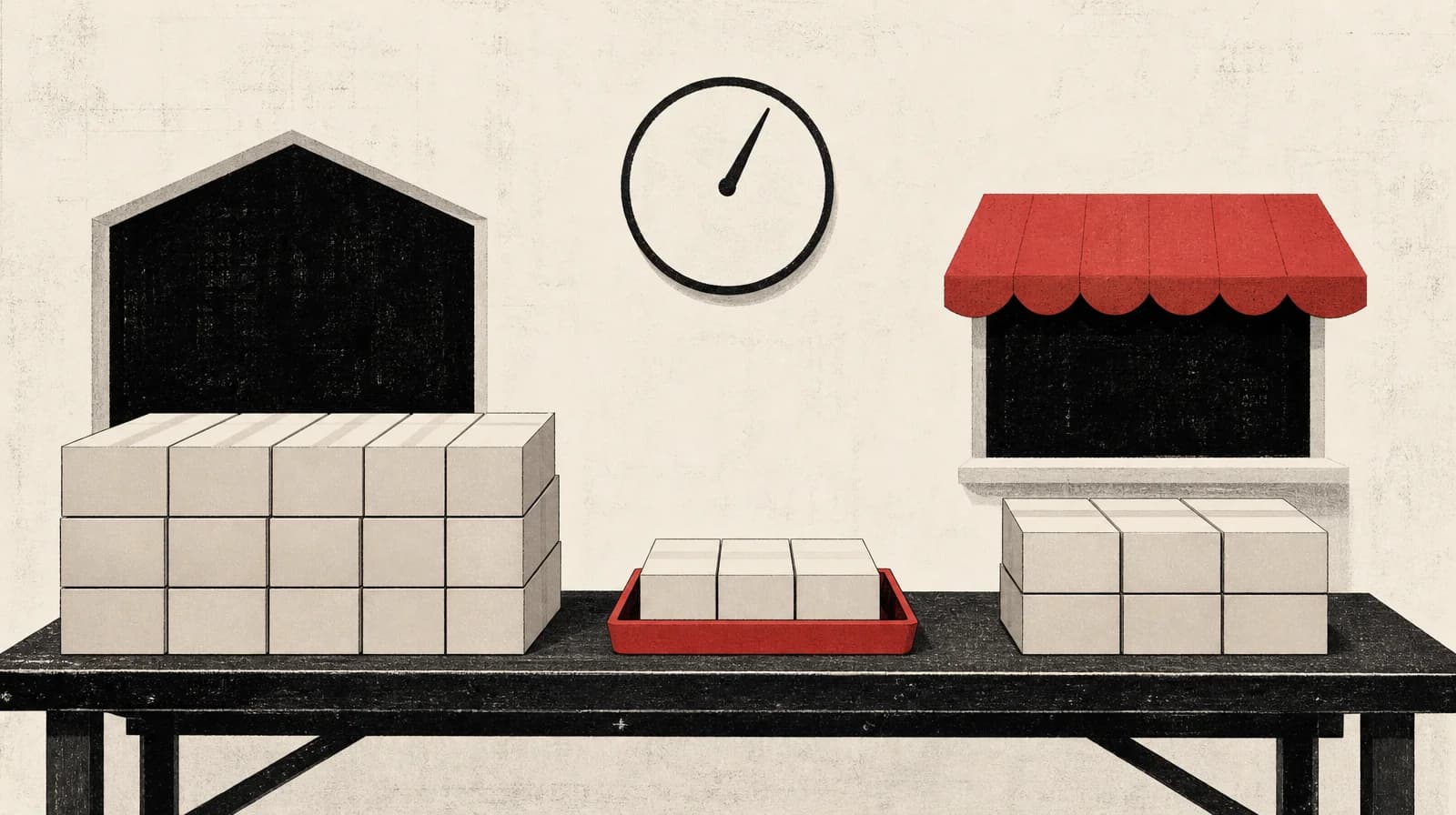
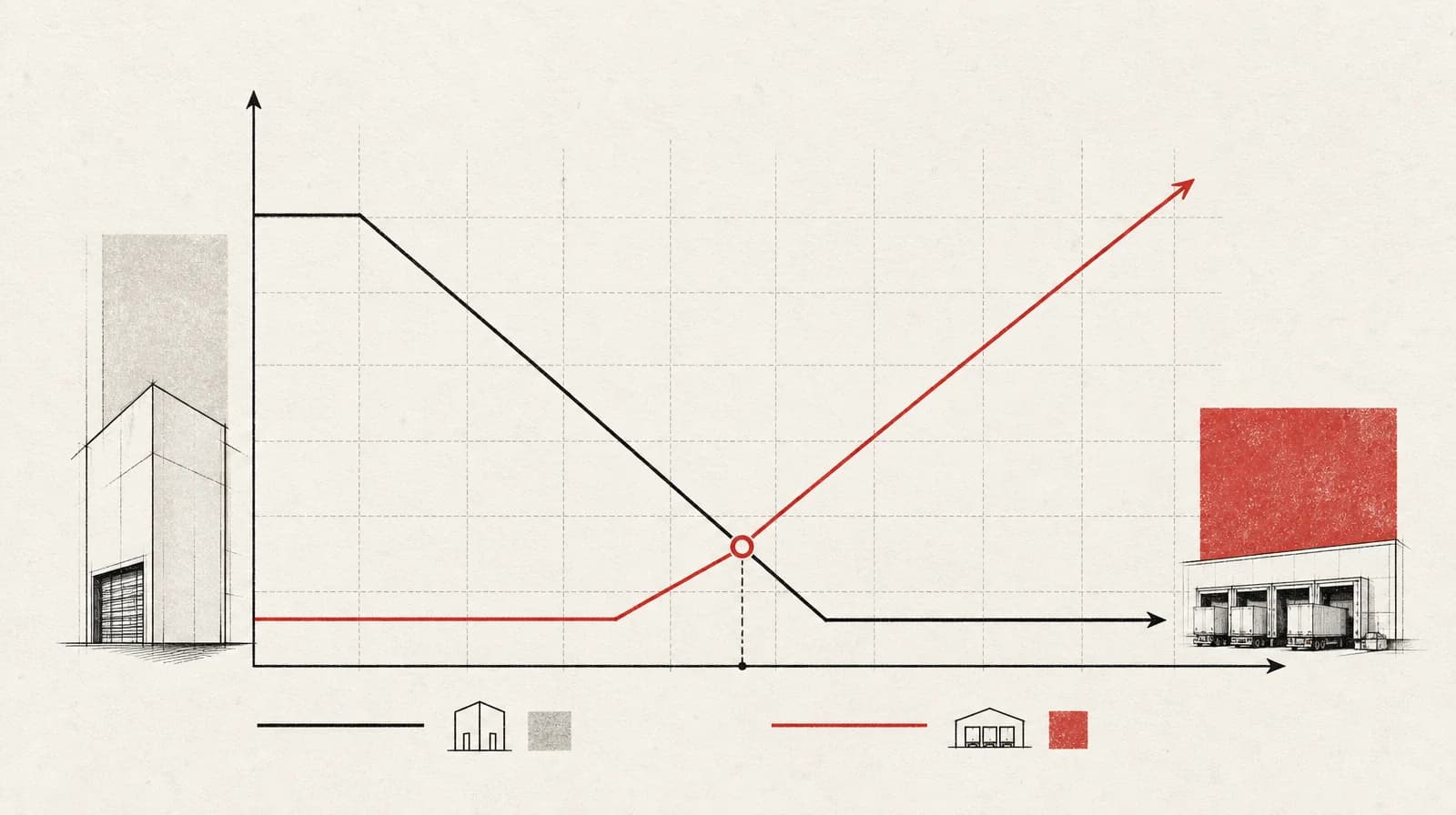
For a growing D2C brand, distribution management is a spreadsheet problem: fixed cost against marginal cost, and how long your cash sits in stock while you decide which model to run.
Visible AI referral traffic still sits around 0.2% of sessions on the broadest public benchmark, and the undercount is wider than the channel. Here is a proportionate tracking ladder for D2C operators.
Open rate and a Postmaster reputation badge no longer tell you whether a Shopify Klaviyo account is leaking. Read the signals that survived privacy changes, then fix integration, cart timing, segmentation and hygiene in that evidence order.